
Introduction
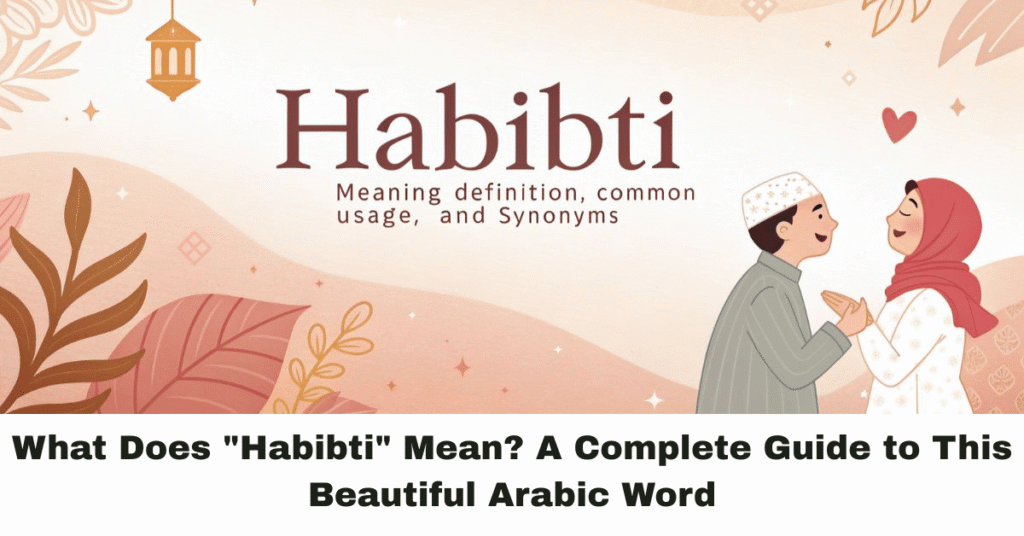
If you’ve ever heard someone say “Habibti,” you might have wondered what it means. It’s a word that frequently pops up in conversations, especially in Arabic-speaking cultures, but its significance goes beyond just a translation. Whether you’re familiar with the term from movies, music, or a trip to the Middle East, understanding its true meaning adds a layer of cultural depth and affection.
In this article, we’ll explore the full habibti meaning—from its Arabic roots to how it’s used in different contexts. You’ll also discover how it compares with other similar terms, such as habibi and how its meaning can vary depending on who’s saying it and in what situation.
What is the Meaning of “Habibti”?
The word habibti (حبيبتي) is an Arabic term that translates to “my dear,” “my love,” or “my darling” in English. It is a term of endearment that expresses affection and is most often used by men when addressing women. The feminine form of the word habibi, which means “my love” or “my dear” for men, habibti conveys the same warmth but is directed towards a woman.
Habibti Meaning in Arabic
In Arabic, habibti is derived from the root word h-b-b (حب), which means “love” or “affection.” So, when someone says “habibti,” they are expressing a sense of love or care for the person they are addressing.
Habibti vs. Habibi: What’s the Difference?
One of the most common questions surrounding habibti is its distinction from habibi. While both words carry the same root and convey love and affection, the main difference lies in the gender of the person being addressed.
-
Habibi (حبيبي) is used when referring to a male, translating to “my love” or “my dear.”
-
Habibti (حبيبتي), on the other hand, is used when referring to a female. It’s the feminine version of habibi.
How to Use “Habibti” in Daily Conversations
Whether you’re learning Arabic or simply looking to understand the nuances of the language, using habibti can add a warm, affectionate touch to your interactions. Here are a few scenarios where habibti is commonly used:
-
In a romantic context – A man might say “habibti” to his girlfriend or wife to express love and affection.
-
With close friends – It’s not only reserved for lovers; friends or close acquaintances might use habibti to show affection.
-
As a term of endearment for family members – Parents may say habibti to their daughters as a loving gesture.
-
In casual conversations – Even in casual settings, it can be used between loved ones to show warmth and affection.
Pronunciation of “Habibti”
The pronunciation of habibti is ha-beeb-tee (حبيبتي). The “h” is soft, the “i” is pronounced like the ‘ee’ in “see,” and the “t” is softly pronounced with the “ee” sound at the end.
Different Phrases With “Habibti”
There are several variations of habibti that you might hear in everyday conversations. Here are a few:
-
Ya Habibti (يا حبيبتي) – “Oh, my love” or “Hey, my dear.” It’s often used in an emotional or emphatic tone.
-
Mashallah Habibti (ما شاء الله حبيبتي) – “Mashallah” means “what God has willed,” and adding habibti expresses admiration or affection, often used to praise someone lovingly.
-
Shukran Habibti (شكرا حبيبتي) – “Thank you, my love.” It’s a polite and affectionate way to express gratitude.
-
Anti Habibti (أنتِ حبيبتي) – “You are my love.” A more direct way of showing affection towards a woman.
Habibti Meaning in Different Languages
While habibti is Arabic, its influence has spread across several regions, and its meaning is understood by speakers of different languages.
-
In Tagalog – Habibti is used similarly to how it’s used in Arabic, as a term of affection. It’s a familiar term for Filipino speakers who are familiar with Arabic culture or have been exposed to Arabic media.
-
In Tamil – The word habibti may not be commonly used in Tamil-speaking regions, but its meaning can be understood, particularly in relation to popular culture or Arabic-speaking communities.
Common Questions About “Habibti”
1. Is “Habibti” Used in Islam?
Yes, habibti is used in Islamic culture as a term of endearment. It doesn’t have any religious connotations but is widely used by Muslims in Arabic-speaking countries to express affection in personal relationships, much like “darling” or “sweetheart” would be used in English-speaking cultures.
2. Can “Habibti” Be Used for Men?
No, habibti specifically refers to women. The masculine form is habibi. However, both words share the same meaning of affection and love.
3. How Do You Respond to “Habibti”?
A common response could be simply repeating the affectionate term, such as saying “habibti” back, or you can say “ana behibek” (أنا بحبك) which means “I love you” in Arabic.
Conclusion
Understanding habibti meaning enriches your knowledge of Arabic culture and expressions of affection. Whether you’re learning Arabic, deepening your relationship with someone, or exploring cultural nuances, knowing the significance of habibti helps you engage in conversations more meaningfully. It’s a simple yet powerful word that conveys love, warmth, and respect.
So, next time you hear habibti or use it yourself, you’ll understand the deep affection behind it. Want to explore more Arabic terms of endearment? Check out our other articles on Arabic language and culture.
FAQ
What does “Habibti” mean in English?
“Habibti” translates to “my love” or “my darling” in English.
Is “Habibti” used for men?
No, habibti is specifically used for women. For men, the term is habibi.
How do you pronounce “Habibti”?
The correct pronunciation is ha-beeb-tee.
Can “Habibti” be used in Islamic culture?
Yes, it is widely used in Arabic-speaking Muslim communities as a term of affection.