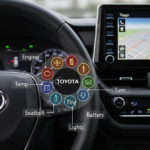


If you’re driving a Hyundai, you’ve probably noticed a bunch of tiny lights flicker across your dashboard. Some are easy to understand, like the fuel warning, while others can be downright confusing. Understanding Hyundai dashboard symbols and meanings isn’t just handy—it’s essential for keeping your car safe and running smoothly. This guide breaks down the most common dashboard symbols, what they mean, and what action you should take when they light up.
Why Understanding Dashboard Symbols Matters
Your car’s dashboard is more than just a display—it’s your vehicle’s communication hub. These symbols are designed to alert you to potential issues before they become serious problems. Ignoring them can lead to reduced performance, higher repair costs, or even accidents. By learning these symbols, you gain better control over your Hyundai’s maintenance and safety.
Common Hyundai Dashboard Symbols and Their Meanings
Here’s a detailed breakdown of the key dashboard symbols you’re likely to encounter:
1. Check Engine Light (Malfunction Indicator Lamp)
-
Appearance: Yellow/orange engine-shaped icon.
-
Meaning: Indicates engine or emission issues.
-
Action: Schedule a diagnostic check immediately. Driving with this light on could worsen the problem.
2. Battery Warning Light
-
Appearance: Red battery icon.
-
Meaning: Battery or charging system problem.
-
Action: Turn off unnecessary electronics and get your battery or alternator checked.
3. Oil Pressure Warning
-
Appearance: Oil can symbol, usually red.
-
Meaning: Low engine oil or oil pressure issue.
-
Action: Stop the car and check the oil level. Driving with low oil can cause severe engine damage.
4. Tire Pressure Monitoring System (TPMS)
-
Appearance: Exclamation mark inside a flat tire icon.
-
Meaning: Tire pressure is too low or too high.
-
Action: Check and adjust tire pressure. Properly inflated tires improve safety and fuel efficiency.
5. ABS Warning Light
-
Appearance: Yellow “ABS” icon.
-
Meaning: Issue with the anti-lock braking system.
-
Action: Have brakes inspected by a professional. Normal braking may still work, but ABS functionality could be compromised.
6. Brake Warning Light
-
Appearance: Red circle with an exclamation mark or “P.”
-
Meaning: Parking brake is engaged or brake system issue.
-
Action: Ensure the parking brake is released; if the light persists, check brake fluid and system immediately.
7. Engine Coolant Temperature Warning
-
Appearance: Red thermometer in liquid icon.
-
Meaning: Engine overheating.
-
Action: Stop safely, allow the engine to cool, and check coolant levels. Driving while hot can cause major engine damage.
8. Seat Belt Reminder
-
Appearance: Person with a seatbelt icon.
-
Meaning: Seatbelt is not fastened.
-
Action: Fasten your seatbelt immediately for safety.
9. Airbag Warning Light
-
Appearance: Red airbag icon.
-
Meaning: Airbag system malfunction.
-
Action: Have the system inspected; airbags may not deploy in a collision.
10. Door Ajar Warning
-
Appearance: Car with doors open icon.
-
Meaning: One or more doors are not properly closed.
-
Action: Check all doors and ensure they are securely shut.
Other Hyundai Dashboard Indicators
While the above are the most critical, your Hyundai may include additional symbols like:
-
Cruise Control Indicator: Confirms cruise control is active.
-
High Beam Indicator: Shows when high beams are on.
-
Fuel Warning Light: Alerts when fuel is low.
-
Traction Control Warning: Indicates traction control is activated or has a fault.
Tips for Reading Hyundai Dashboard Symbols
-
Refer to your owner’s manual: Each Hyundai model may have slight differences.
-
Pay attention to colors:
-
Red = Immediate action required
-
Yellow/Orange = Caution; service soon
-
Green/Blue = Informational
-
-
Don’t ignore warning lights: Even if the car seems fine, dashboard symbols are there for your safety.
FAQs About Hyundai Dashboard Symbols and Meanings
Q1: What does it mean if multiple dashboard lights come on at once?
A: This usually indicates a system malfunction. Stop driving safely and have your Hyundai inspected.
Q2: Can I keep driving with a yellow check engine light?
A: You can usually drive cautiously, but it’s best to get it diagnosed soon to prevent costly repairs.
Q3: Why is my battery light flashing?
A: A flashing battery light could mean an issue with the alternator, battery, or electrical system. Check immediately.
Q4: How do I reset Hyundai dashboard warning lights?
A: Some lights reset after fixing the issue, while others may require a diagnostic tool. Always fix the root problem first.
Q5: Are all warning lights urgent?
A: No. Red lights indicate immediate attention, yellow/orange indicate caution, and blue/green are informational.
Conclusion
Understanding Hyundai dashboard symbols and meanings is vital for keeping your car safe, reliable, and efficient. From engine warnings to tire alerts, each light gives you important information that shouldn’t be ignored. Take the time to learn what these symbols mean, and you’ll save money, avoid breakdowns, and drive with confidence. Next time a light appears, you’ll know exactly what to do!