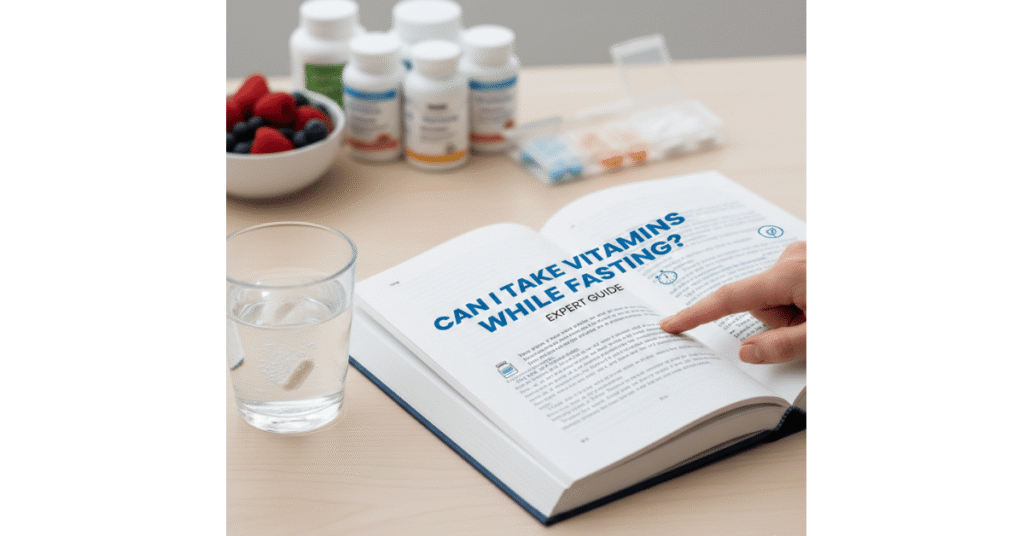

Because many people combine fasting with supplements, the question often comes up: can I take vitamins while fasting? Fasting has gained popularity for its potential benefits like weight loss, improved metabolism, and even longevity. But what about your daily vitamins and minerals—do they break your fast or affect your health goals? Let’s dive into the facts.
How Vitamins Interact with Fasting
Taking vitamins while fasting can be tricky. The effects depend on the type of vitamin:
-
Water-soluble vitamins (like B-complex and C) are usually safe on an empty stomach. They dissolve in water and are absorbed quickly, so fasting isn’t typically disrupted.
-
Fat-soluble vitamins (A, D, E, K) need dietary fat for absorption. Without food, your body may not absorb them efficiently.
-
Minerals such as magnesium, iron, and calcium can sometimes cause nausea if taken on an empty stomach.
Because your stomach is empty during fasting, taking certain vitamins might irritate your digestive system. For some people, it’s fine; for others, it can feel uncomfortable. Always listen to your body.
Can I Take Vitamins While Fasting for Blood Work?
If you’re fasting for lab tests, the rules change slightly. Doctors often recommend no food, drink, or supplements before fasting blood work because:
-
Vitamins, especially B vitamins, can slightly alter blood sugar or lab results.
-
Fat-soluble vitamins can interfere with cholesterol or liver enzyme readings.
Tip: Water is always allowed during fasting blood work. If your supplements are necessary, ask your doctor if you should take them afterward. In most cases, skipping vitamins for a short fasting period won’t cause harm.
Tips for Taking Vitamins During Fasting
If you want to keep your supplement routine while fasting, consider these strategies:
-
Take water-soluble vitamins on an empty stomach.
-
Delay fat-soluble vitamins until your eating window.
-
Stay hydrated—water helps absorption and prevents nausea.
-
Split doses if necessary: take some vitamins before eating and some with meals.
-
Consult your doctor if you’re fasting for health reasons or blood work.
Vitamins That Are Fasting-Friendly
Here’s a quick list of vitamins and minerals that usually won’t break your fast:
-
Vitamin C
-
B-complex vitamins
-
Electrolytes like potassium and sodium
-
Zinc (usually fine but may cause stomach upset)
Fat-soluble vitamins, on the other hand, are better taken with meals to ensure absorption.
FAQs
Q: Can I take multivitamins while fasting?
A: Only if the multivitamin contains mostly water-soluble vitamins. Fat-soluble ones should be taken with food.
Q: Will taking vitamins break my fast?
A: Water-soluble vitamins generally do not. Fat-soluble vitamins and any supplement containing calories could technically break a strict fast.
Q: Is it safe to skip vitamins while fasting for a day?
A: Yes, short-term fasting won’t harm your nutrient status, especially if you take your vitamins at your next meal.
Q: Can vitamins affect fasting blood work results?
A: Some vitamins may alter lab results slightly, so it’s best to avoid supplements before fasting blood tests unless your doctor advises otherwise.
Conclusion
So, can you take vitamins while fasting? The answer depends on the type of vitamin, your tolerance, and your fasting goals. Water-soluble vitamins are generally safe, while fat-soluble ones are best saved for your eating window. When fasting for blood work, it’s safer to skip supplements unless cleared by your doctor.