

Introduction:
Have you ever wondered about the difference between a lynx and a bobcat? While both are wild cats that share many similarities, they also have distinct characteristics that set them apart. Whether you’re a wildlife enthusiast or just curious, understanding these two fascinating creatures can be quite enlightening. In this article, we’ll dive into the key differences between lynx and bobcats, comparing their size, behavior, habitat, and even which one you might find in your local area. So, let’s explore the wild world of lynx vs bobcat!
Lynx vs Bobcat: Key Differences
When comparing the lynx vs bobcat, there are a few notable differences to consider. Both belong to the Lynx genus, but they vary significantly in terms of physical appearance, behavior, and where they are found. Let’s break it down:
Physical Features and Size Comparison
One of the first things people notice when comparing a lynx and a bobcat is their size and physical features.
Lynx:
-
Size: Lynx are generally larger than bobcats. They typically weigh between 18-30 pounds (8-14 kg), with some males reaching up to 40 pounds (18 kg).
-
Appearance: Lynx have longer legs and a distinct tuft of black fur on their ears. Their fur is dense and soft, and they have a short, stubby tail. Their large paws help them walk on snow.
-
Size Comparison (Lynx vs Bobcat): Lynx can appear more robust and bulkier compared to the sleeker bobcat.
Bobcat:
-
Size: Bobcats are smaller, weighing between 15-35 pounds (7-16 kg), with males typically being larger.
-
Appearance: Bobcats have a more compact body with a shorter tail and larger, sharper teeth. Their fur is often a mix of brown, gray, or reddish hues with black markings.
-
Size Comparison (Bobcat vs Lynx): Though bobcats are smaller, they are agile and have a powerful build for hunting.
Habitat and Distribution: Where to Find Lynx vs Bobcats
The natural habitat of these two wild cats varies depending on their region, and knowing where you can find each species will help you understand their behavior and environmental needs.
Lynx Habitat:
-
Global Distribution: Lynx are found in cold, northern regions. The Canadian lynx (Lynx canadensis) is native to Canada and the northern United States. They prefer forests with dense underbrush, as they rely heavily on snowshoe hares for food.
-
Climate Preferences: Lynx are adapted to cold, snowy environments, which is why they are typically found in the northern parts of North America and Europe.
Bobcat Habitat:
-
Global Distribution: Bobcats are much more adaptable in terms of habitat. They are found across the United States, Mexico, and parts of Canada. From deserts in Arizona to forests in Texas, the bobcat can thrive in various ecosystems.
-
Climate Preferences: Unlike the lynx, bobcats are more versatile and can live in a wide range of climates, including wooded areas, swamps, and even rocky deserts.
Behavior and Diet: Lynx vs Bobcat
Both lynx and bobcats are carnivorous, but their hunting techniques and diet preferences can differ.
Lynx Behavior:
-
Hunting: The lynx is a solitary animal and primarily hunts alone. They rely on their ability to move silently through snow to catch prey, primarily focusing on snowshoe hares.
-
Diet: While their main prey is hares, they may also hunt smaller mammals like birds or squirrels. Their large paws help them to travel across deep snow, giving them an advantage in northern environments.
Bobcat Behavior:
-
Hunting: Bobcats are also solitary hunters. They are more versatile in their diet compared to lynx, hunting small to medium-sized animals like rabbits, rodents, birds, and even deer.
-
Diet: Bobcats are opportunistic hunters and can adapt to different food sources depending on the habitat. For example, in desert regions like Arizona, they might hunt smaller mammals, while in forested areas like Texas, they might focus on larger prey.
Lynx vs Bobcat: Size Comparison in Different Regions
Different species of lynx and bobcat can vary slightly depending on their geographical location. Let’s take a look at some regional differences:
Florida Lynx vs Bobcat:
The Florida bobcat (Lynx rufus floridanus) is a subspecies of the bobcat that is found primarily in Florida. It is smaller than its northern cousins but still retains the same adaptability. There is no actual “Florida lynx,” as the lynx species is typically found further north in cooler climates.
Canadian Lynx vs Bobcat:
The Canadian lynx is larger than the bobcat and more specialized in its hunting. The Canadian lynx is primarily found in colder regions of Canada and the northern United States, where snow is common, and its larger paws help it walk in deep snow.
Arizona Lynx vs Bobcat:
In Arizona, bobcats are common and are adapted to living in deserts. A lynx, on the other hand, would struggle to survive in such hot and dry environments. Bobcats here are known to be excellent climbers and are quite elusive.
Texas Lynx vs Bobcat:
There are no true Texas lynx, as the lynx’s preferred habitat is much colder. However, the Texas bobcat is a robust species that thrives in a range of environments, from dense forests to rocky terrain.
Lynx vs Bobcat Photos: Visual Identification
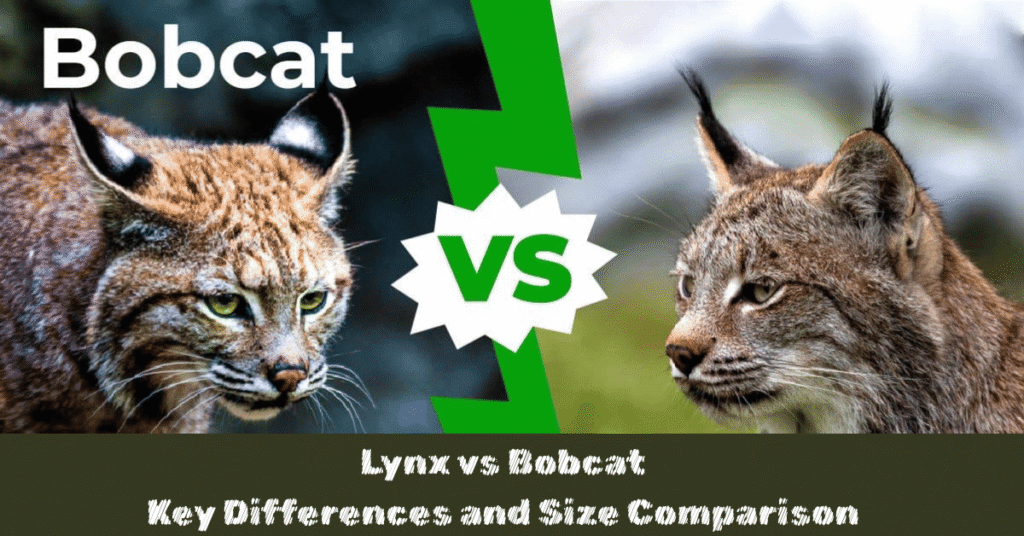
If you’ve ever wondered how to tell a lynx from a bobcat, photos can provide a helpful guide. The lynx is larger, with distinctive ear tufts and a more stocky build, while the bobcat is smaller with a sleeker appearance. Photos can also highlight the lynx’s longer limbs and larger paws compared to the more compact bobcat.
Lynx vs Bobcat Size Visuals:
Comparing their size through images is a great way to see the differences in body structure. Lynx vs bobcat photos show the lynx’s larger, more powerful frame with longer legs, while the bobcat appears more nimble and compact.
FAQs:
1. What is the main difference between a lynx and a bobcat?
The main difference lies in their size and habitat. Lynx are larger with tufted ears and live in cold, northern climates, while bobcats are smaller and more adaptable to various environments.
2. Can bobcats and lynx coexist?
Generally, they do not coexist in the same regions. Bobcats tend to live in more temperate climates, while lynx are found in colder, snowier areas.
3. Are lynx and bobcats related?
Yes, both belong to the Lynx genus, but they are different species with distinct physical characteristics and habitats.
Conclusion:
In the battle of lynx vs bobcat, both of these wild cats are fascinating creatures, each with its own set of traits that make them unique. Whether you’re curious about their size, hunting habits, or the regions where they thrive, understanding these differences helps paint a clearer picture of the wild world. So, the next time you hear about a lynx or bobcat, you’ll be able to tell them apart and appreciate their beauty even more!
If you’re interested in learning more about wildlife, feel free to check out related articles on animal behaviors, habitats, and conservation efforts.